**Email Monitoring: How It Works, Why It Matters, and Which Tools Marketers Should Use**
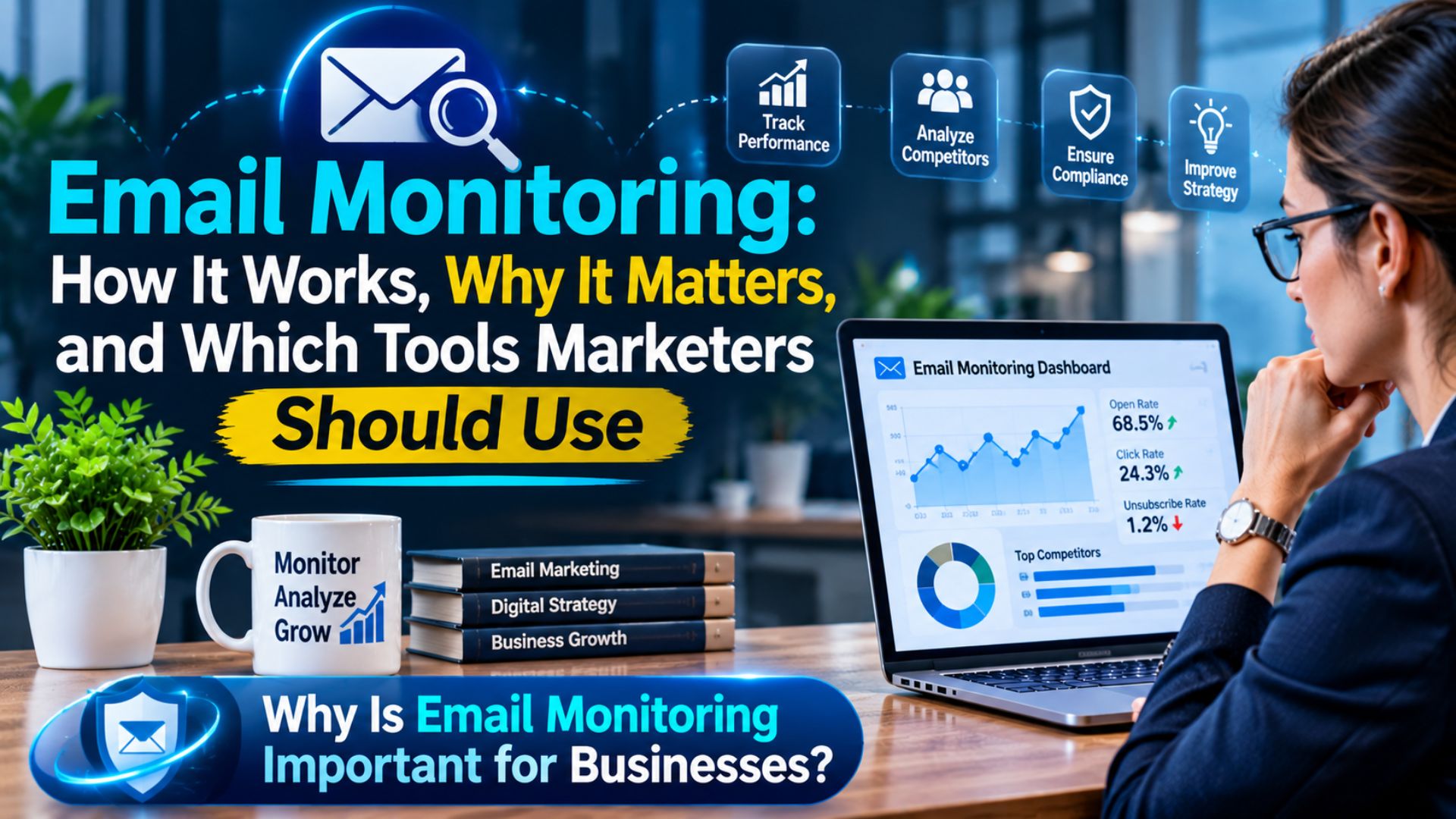
Have you ever wondered whether your emails are reaching the right audience, generating engagement, or simply getting ignored? Email marketing does not end when you click send. Understanding what happens afterward is essential for improving campaign performance and building stronger customer relationships.
***[Email monitoring](https://mailgaze.com/email-competitor-monitoring-and-alerts-for-affiliates-2026/)*** is the process of tracking, analyzing, and evaluating email activity and campaign performance. It helps marketers understand delivery results, subscriber engagement, clicks, conversions, and campaign effectiveness. Businesses can use these insights to identify problems, improve communication, and make more informed marketing decisions.
Whether you manage newsletters, promotional campaigns, or automated email sequences, effective email monitoring helps you understand what works and what needs improvement.
**What Is Email Monitoring and How Does It Work?**
Email monitoring involves collecting and reviewing data related to email delivery, engagement, and performance. Depending on the tools used, it can also include tracking competitor newsletters and analyzing their marketing strategies.
For marketers, the process generally includes:
**Tracking delivery:** Checking whether emails are delivered, bounced, or rejected.
**Measuring engagement:** Reviewing opens, clicks, replies, and unsubscribes.
**Analyzing conversions:** Understanding whether subscribers complete actions such as purchases or registrations.
**Monitoring deliverability:** Identifying potential spam placement and sender reputation issues.
**Reviewing competitors:** Studying competitors' email content, offers, and sending frequency.
Some platforms use tracking pixels or tracked links to collect engagement information. However, privacy features such as Apple Mail Privacy Protection can make open-rate measurements less reliable. Therefore, marketers should consider clicks and conversions alongside opens.
**Why Is Email Monitoring Important for Businesses?**
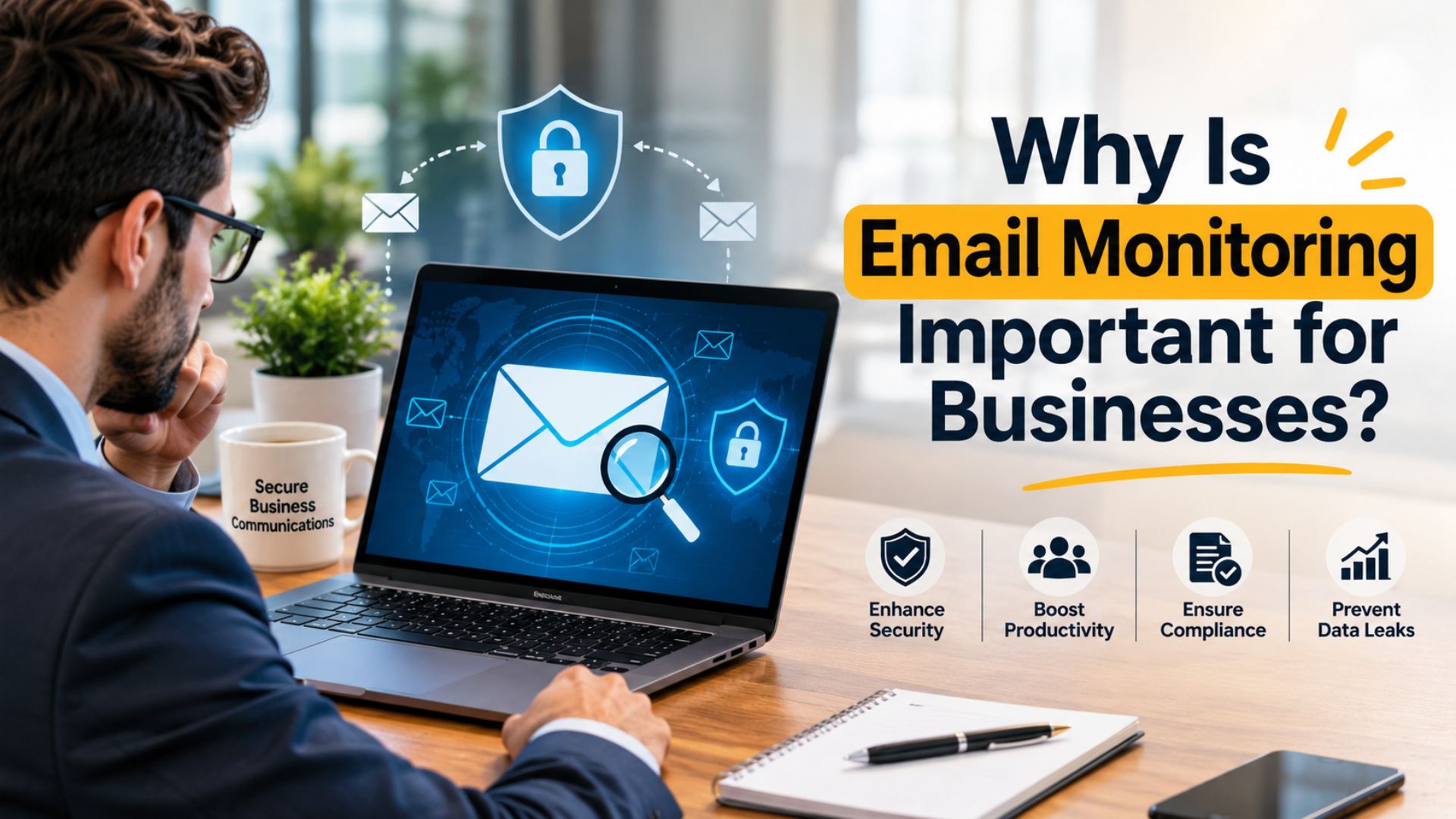
Monitoring helps businesses understand whether their communication is achieving its intended purpose. Instead of relying on assumptions, marketers can use campaign data to guide improvements.
Here are some important benefits:
**1. Improves Email Campaign Performance**
By reviewing campaign reports, marketers can identify which subject lines, content formats, and calls to action generate better engagement. These insights help improve future campaigns.
**2. Identifies Delivery Problems**
High bounce rates and spam complaints may indicate problems with email lists, authentication, or sending practices. Monitoring these signals helps businesses address issues before they affect campaign results.
**3. Helps Understand Subscriber Behavior**
Engagement data reveals which topics interest subscribers and what content encourages them to click. Businesses can use this information to create more relevant messages.
**4. Supports Better Marketing Decisions**
Campaign analytics provide measurable information about performance. Marketers can use it to test different approaches, improve targeting, and allocate resources more effectively.
**5. Provides Competitive Insights**
Studying competitor newsletters can reveal common promotional approaches, content themes, seasonal campaigns, and sending patterns. These observations can inspire new ideas without copying another brand's strategy.
**What Should Marketers Track When Monitoring Emails?**
Effective monitoring requires focusing on metrics that connect with business goals. Important indicators include:
**Delivery rate:** The percentage of sent emails successfully delivered.
**Open rate:** An estimate of how many recipients opened an email, subject to privacy-related limitations.
**Click-through rate:** The percentage of recipients who clicked a link.
**Conversion rate:** The percentage of recipients who completed a desired action.
**Bounce rate:** The percentage of emails that could not be delivered.
**Unsubscribe rate:** The percentage of recipients who opted out.
**Spam complaint rate:** The frequency with which recipients reported messages as spam.
Marketers should avoid evaluating campaigns using a single metric. For example, a high open rate does not necessarily mean an email generated sales or meaningful engagement.
**Which email monitoring tools are best for marketers?**
The best tools depend on what you want to monitor. Some platforms focus on campaign analytics, while others help with email quality checks, sales engagement, or competitor research.
Consider these options:
**1. HubSpot Marketing Hub**
HubSpot offers email campaign reporting alongside CRM data. It can help marketing teams connect email engagement with customer journeys and business outcomes.
**2. Mailchimp**
Mailchimp provides campaign reports and audience insights, making it a practical option for businesses managing newsletters and promotional emails.
**3. Klaviyo**
Klaviyo is particularly useful for e-commerce marketers who want to analyze customer engagement and connect email activity with sales performance.
**4. ActiveCampaign**
ActiveCampaign supports email automation and campaign reporting. It can help marketers evaluate automated sequences and subscriber interactions.
**5. Litmus**
Litmus focuses on email testing and quality assurance, including rendering previews and checks that help teams improve the email experience before sending.
**6. Milled and Owletter**
For competitor research, platforms such as Milled and Owletter can help marketers explore or archive competitor email campaigns. Their approaches differ, so review their coverage and features before choosing.
The right option depends on your campaign goals, budget, integrations, reporting requirements, and the size of your email program. Compare current plans and features before making a decision.
**How Can Businesses Build an Effective Email Monitoring Strategy?**
A consistent process makes monitoring more useful and easier to manage. Follow these steps:
**Set clear goals:** Decide whether you want to improve engagement, increase conversions, or strengthen deliverability.
**Choose relevant metrics:** Track indicators that directly support those goals.
**Use suitable tools:** Select software that provides the reports and integrations your team needs.
**Review campaigns regularly:** Look for patterns in engagement, delivery, and conversions.
**Test different approaches:** Experiment with subject lines, content, timing, and calls to action.
**Apply the insights:** Use your findings to improve future campaigns and audience targeting.
A primary benefit of this process is that it turns campaign data into practical improvements rather than leaving reports unused.
**What Are the Best Practices for Effective Email Monitoring?**
To get more value from monitoring, follow these practices:
Keep subscriber lists clean and remove invalid addresses.
Use proper email authentication, including SPF, DKIM, and DMARC.
Monitor engagement and deliverability trends over time.
Test emails across devices and email clients.
Respect subscriber consent and applicable privacy regulations.
Avoid relying entirely on open-rate data.
Review competitor campaigns for inspiration, not duplication.
These steps help create a more reliable and responsible email marketing process.
A primary focus on meaningful metrics, consistent reporting, and continuous testing can help marketers build campaigns that better serve their audiences. The goal is not simply to collect more data but to understand which actions lead to better results.
**Short Summary**
***[Email monitoring](https://mailgaze.com/email-competitor-monitoring-and-alerts-for-affiliates-2026/)*** helps businesses evaluate email delivery, subscriber engagement, campaign performance, and marketing effectiveness. By tracking important metrics and using suitable tools, marketers can identify problems, understand audience behavior, and improve future campaigns. A consistent monitoring strategy supports better decisions, stronger customer relationships, and more effective email marketing.