**How to Do Cold LinkedIn Outreach That Gets Responses**
[](https://llmleads.io/blog/who-replies-to-linkedin-outreach/)
Are you sending LinkedIn connection requests but struggling to get replies? Cold LinkedIn outreach can help you connect with potential customers, reach decision-makers, and generate qualified B2B leads. However, success depends on targeting the right people, personalizing your messages, and offering genuine value instead of sending generic sales pitches.
Cold LinkedIn outreach is the process of contacting professionals on LinkedIn who have not previously interacted with you to build relationships, generate leads, or explore business opportunities. When approached strategically, it can help businesses start meaningful conversations and create new sales opportunities.
This guide explains how to build an effective outreach process, write messages that encourage responses, and improve your results without overwhelming potential prospects.
**What Is Cold LinkedIn Outreach?**
[***Cold LinkedIn outreach***](https://llmleads.io/blog/who-replies-to-linkedin-outreach/) involves contacting people who may benefit from your products, services, or expertise but do not already have a relationship with you.
Unlike warm outreach, which targets existing contacts or people who have shown interest, cold outreach starts with an unfamiliar audience.
Businesses commonly use it to:
* Generate qualified B2B leads.
* Connect with decision-makers and potential clients.
* Book sales meetings and product demonstrations.
* Build professional partnerships.
* Introduce relevant products or services.
* Expand their professional networks.
For example, a marketing agency might contact founders of growing businesses to discuss their lead-generation challenges. A message tailored to the founder's industry and business goals is more likely to start a conversation than a generic sales pitch.
**How to Do Cold LinkedIn Outreach That Gets Responses**
An effective outreach campaign starts with research and continues through personalized messaging, thoughtful follow-ups, and consistent performance tracking.
**1. Define Your Ideal Customer Profile**
Before contacting prospects, determine who is most likely to benefit from your offer.
Consider the following factors:
* Industry and company size.
* Job title and decision-making authority.
* Business challenges and goals.
* Location and target market.
* Potential need for your product or service.
A clearly defined audience helps you focus your efforts on relevant prospects rather than sending messages to people who are unlikely to respond.
**2. Research Your Prospects**
Review potential contacts' LinkedIn profiles, company pages, recent posts, and professional achievements.
Look for relevant details, such as a recent promotion, company expansion, hiring activity, or discussion about an industry challenge.
Use these observations to create a natural opening that explains why you are reaching out. Genuine personalization makes your message more relevant and demonstrates that you understand the recipient's professional context.
**3. Write a Personalized Connection Request**
Keep your connection request short, friendly, and specific. Avoid pitching your entire service before establishing a connection.
**Example:**
"Hi Sarah, I enjoyed your recent post about B2B marketing challenges. I'm interested in connecting with professionals working to improve their lead-generation strategies. Looking forward to connecting!"
This message establishes a relevant reason for connecting without immediately demanding the recipient's time.
**4. Start a Conversation Before Pitching**
Once a prospect accepts your request, avoid immediately sending a long sales presentation.
Instead, acknowledge a relevant business challenge, ask a thoughtful question, or share a useful insight.
For example:
"Thanks for connecting, Sarah! I noticed your team is focusing on B2B growth. What channels are currently delivering the best results for your lead-generation efforts?"
A relevant question creates an opportunity for conversation and helps you understand whether your solution could be useful.
**5. Follow Up Without Being Pushy**
Some prospects may overlook your initial message because of busy schedules or competing priorities.
A polite follow-up can help restart the conversation. Give recipients reasonable time to respond and ensure each follow-up adds context or value.
For example:
"Hi Sarah, I wanted to follow up on my earlier message. I recently came across an approach that may help B2B teams improve lead quality. Happy to share a few ideas if that would be useful."
Avoid excessive messaging, and stop contacting anyone who declines or requests no further communication.
**What Are the Best Cold LinkedIn Outreach Strategies?**
[](https://llmleads.io/blog/who-replies-to-linkedin-outreach/)
The best strategies focus on relevance, trust, and consistent improvement.
**Personalize Every Message**
Mention a specific, relevant detail about the recipient's work or company. Avoid relying on generic compliments or simply inserting someone's name into a template.
**Lead With Value**
Explain why your message matters to the recipient. Share a useful resource, practical recommendation, or relevant insight before asking for a meeting.
**Keep Messages Concise**
Use short paragraphs and straightforward language. Communicate one clear idea and include a simple next step instead of presenting several requests at once.
**Test Different Approaches**
Experiment with opening lines, audience segments, and calls to action. Track results to identify which approaches generate meaningful conversations.
Your primary objective should be building relevant relationships rather than maximizing the number of messages sent.
**What Mistakes Should You Avoid in Cold LinkedIn Outreach?**
Even a well-planned campaign can underperform when messages feel irrelevant or overly promotional.
Avoid these common mistakes:
* Sending identical messages to every prospect.
* Pitching products before understanding the recipient's needs.
* Using misleading claims or exaggerated promises.
* Following up too frequently.
* Targeting people outside your ideal customer profile.
* Ignoring LinkedIn's policies on spam and automation.
A thoughtful, personalized approach helps protect your professional reputation while creating better opportunities for genuine engagement.
**How Can You Measure Cold LinkedIn Outreach Success?**
[](https://llmleads.io/blog/who-replies-to-linkedin-outreach/)
Tracking performance helps you understand which activities produce business results.
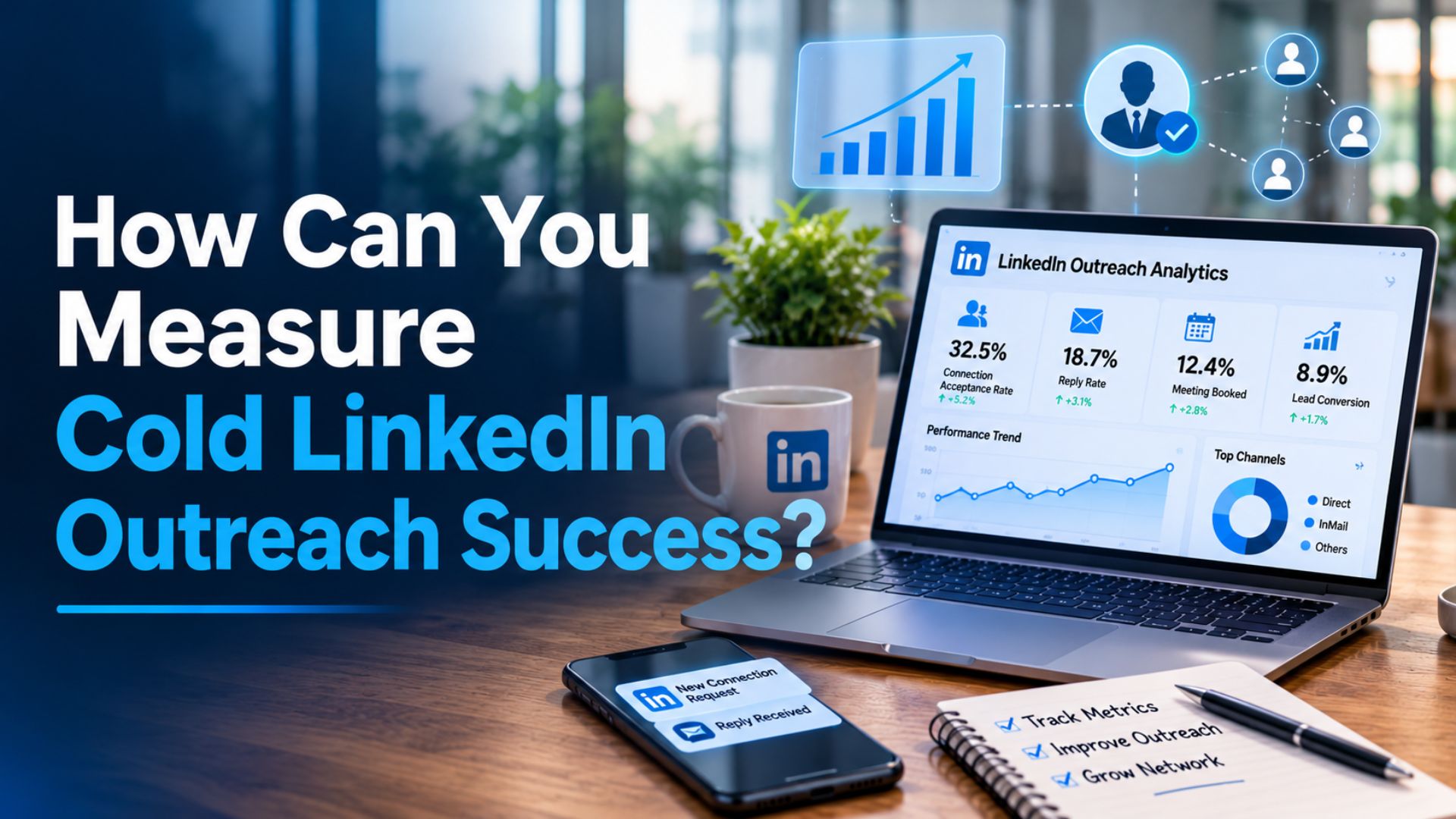
Monitor these key metrics:
* **Connection acceptance rate:** How often recipients accept your requests.
* **Reply rate:** How many contacted prospects respond.
* **Positive response rate:** How many responses indicate genuine interest.
* **Meeting booking rate:** How often outreach leads to a scheduled meeting.
* **Conversion rate:** How many qualified prospects become customers.
Review these metrics regularly and adjust your targeting, messaging, and follow-up process accordingly.
**Frequently Asked Questions About Cold LinkedIn Outreach**
**Does Cold LinkedIn Outreach Work?**
Yes. It can support B2B lead generation, networking, and sales when you target relevant prospects and send personalized messages. Results depend on your offer, audience, messaging, and follow-up strategy.
**How Long Should a Cold LinkedIn Message Be?**
Keep the initial message brief enough to understand quickly. Focus on one relevant observation, a clear reason for connecting, and a natural conversational tone.
**Is Cold LinkedIn Outreach Better Than Cold Email?**
Neither channel is universally better. LinkedIn offers professional context through profiles and shared interests, while cold email can be useful for direct business communication. Choose based on your audience and objectives.
How Can You Improve Your LinkedIn Outreach Response Rate?
Research prospects, personalize your opening, explain the relevance of your message, and use a clear, low-pressure call to action. Track results and improve your approach over time.
**Summary**
***[Cold LinkedIn outreach](https://llmleads.io/blog/who-replies-to-linkedin-outreach/)*** can help businesses connect with potential customers, develop professional relationships, and generate qualified B2B leads. The most effective approach combines careful prospect research, personalized messages, value-driven conversations, and respectful follow-ups.
Focus on reaching the right people instead of sending more messages. By measuring meaningful results and continuously improving your strategy, you can build an outreach process that supports long-term business growth.